Featured topics
How to use this page
This section is for editorial and perspective-led writing. If you want faster, more structured answers, the guides and expertise pages are the better entry point.
2026

Oct 19, 2026
Every Note, Another Possibility
On instrumental music, thinking, and seeing complex problems differently. A personal perspective on how music accompanies my work in project leadership, strategy, and creative problem-solving.
Read →Sep 23, 2026
What Is an ERP Specialist? Role, Skills and ERP Consultant Difference
An ERP specialist helps an organization run, support and improve ERP processes, data and users; the role often sits between business operations, ERP consulting and technical teams.
Read →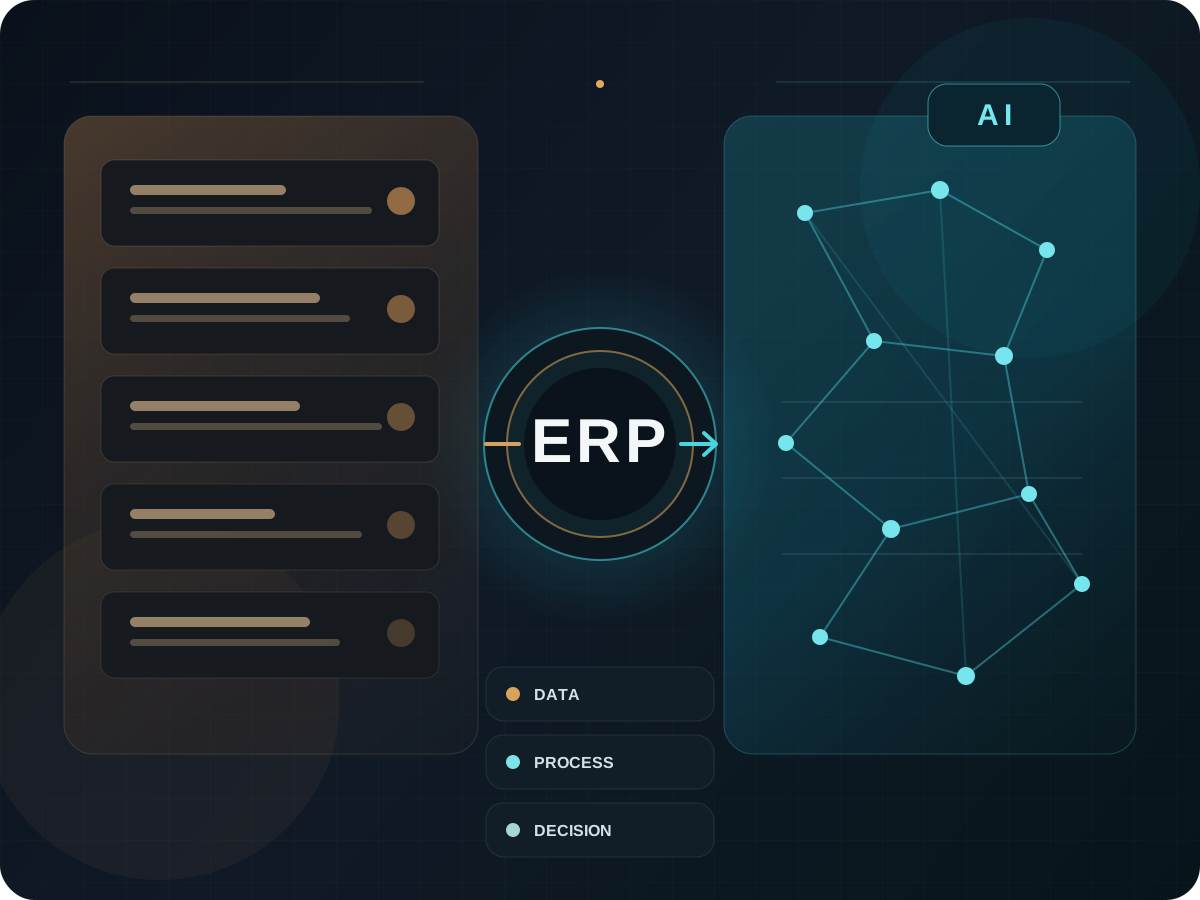
Sep 14, 2026
Is ERP Dead? No. It Is Changing Shape.
AI, low-code and agents are changing ERP interfaces, development economics and user interaction. They are not removing the need for companies to plan and control their resources.
Read →Jul 22, 2026
ERP Project Health Check: Is Your Project Really on Track?
An ERP project cannot be considered healthy from its schedule, budget, or completion percentage alone. Decision governance, ownership, scope control, data readiness, user participation, testing discipline, and go-live preparation need to be assessed together.
Read →Jun 5, 2026
What are hypercare exit criteria?
Hypercare exit criteria define when the intense post go-live support period can safely move into normal operations. Without them, hypercare either closes too early or turns into an open-ended support phase with unclear scope.
Read →Jun 3, 2026
Will AI replace project managers?
AI can summarize meetings, draft reports, classify risks, and make project information easier to see. That does not remove the need for project management. It changes where the project manager must create value: ownership, judgement, escalation, stakeholder alignment, and decision quality.
Read →Jun 3, 2026
Why AI transformation is not only a technology project
AI transformation is often discussed through tools, models, automation, and pilots. In practice, the harder question is organizational: who owns the data, which process will use the output, where human approval sits, and which business decision should improve.
Read →Jun 3, 2026
What is Fit-Gap? Managing scope risk in ERP projects
Fit-Gap is not a workshop for collecting every desired change. In an ERP project, it should make the difference between standard use, process decision, configuration, development, phasing, and rejection visible enough for real scope decisions.
Read →Jun 3, 2026
A PMO Is Not a Reporting Office: A Decision System
A PMO may collect project information, but its real value is not the volume of reports it produces. A useful PMO makes decisions visible, clarifies ownership, improves escalation, and turns project management from personal effort into organizational discipline.
Read →Apr 15, 2026
Project Success, Redefined: Value > Effort + Expense
PMI's 2025 Project Success Research argues the classic triangle — on time, on budget, in scope — no longer adds up to success. The global Net Project Success Score sits at 36 out of 100. The field already knew this. Value shows up before the output does, in the space that trust, ownership and openness make room for.
Read →Apr 10, 2026
What Is Hypercare? Post-Go-Live Stabilization
Hypercare is the stretch right after go-live where the system is held up under real business load—not a label on a slide about “support weeks,” but concentrated stabilization and visibility. Go-live is not the finish line; data, process, ownership, and the decision line are tested afterwards. When things fray here, it is often less a technical collapse than sponsor and management visibility quietly falling away.
Read →Mar 17, 2026
The Transformation Paradox
As everything accelerates, why don’t clarity, trust, and judgement rise at the same pace?
Read →