Special Project / Field Note
Project Bay V: Bringing an Old Volvo Back to Life
Notes on managing an old-car decision through risk, budget, supplier and phase management.
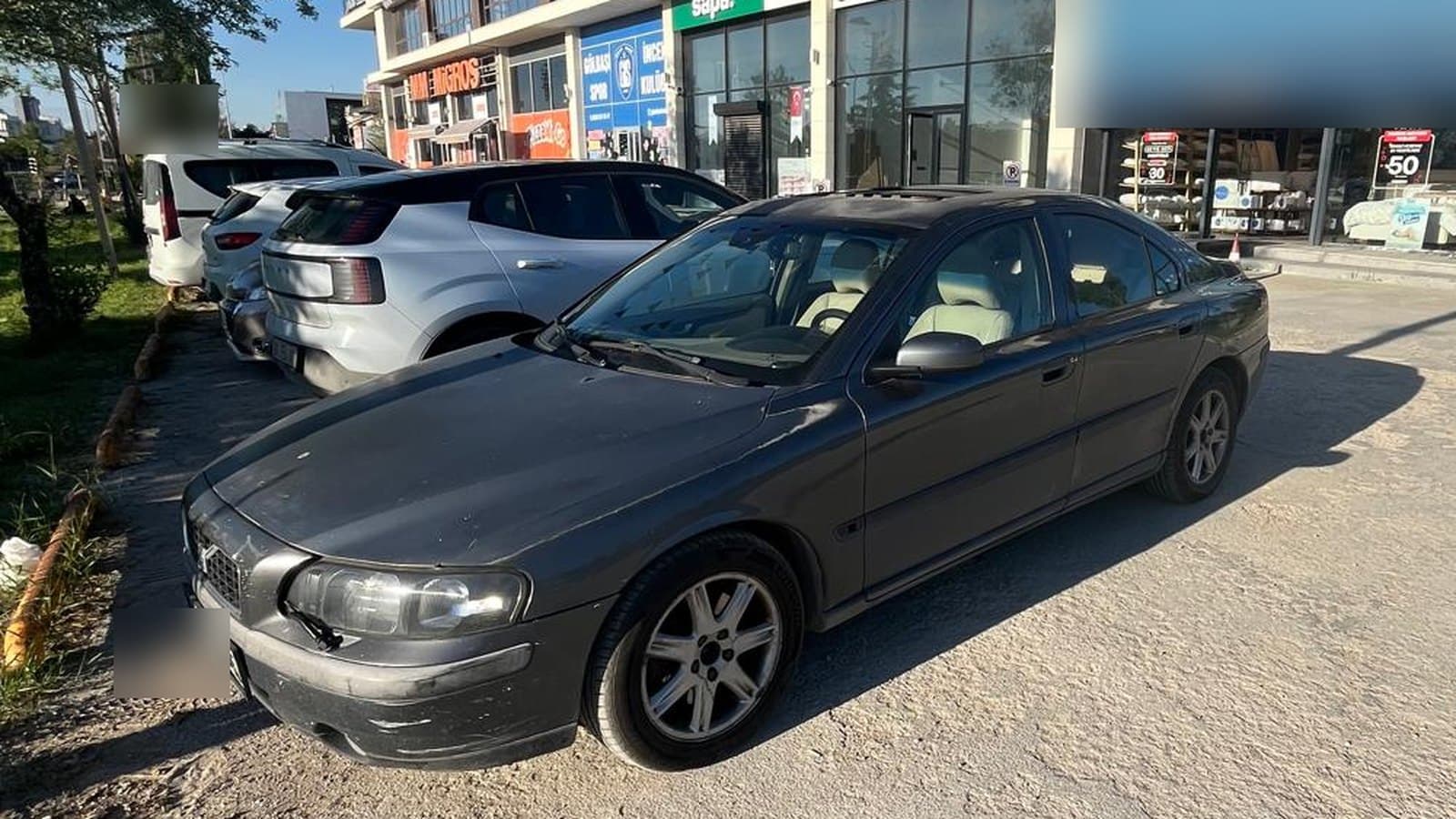
Some projects do not start in a meeting room.
Sometimes they begin while looking at an old car in a listing: sunburned, tired, but still carrying a stance of its own.
For me, Bay V started like that.
Let me introduce Bay V: a 22-year-old, high-mileage Volvo S60, cosmetically tired but still able to make you feel something enjoyable when you sit behind the wheel and take it onto the road.
It was not perfect at first glance. It was clearly going to need work. But some things do not appear only as a cost list. You sense a character, a possibility, and a small excitement about bringing something back to life.
This is not car advice. It is part old-Volvo curiosity, part father-son story and part an attempt to manage an uncertain decision like a project.
Why I Started This
I did not start this only because I needed a car.
The Volvo S60 had interested me since childhood. Volvo’s safety image, calm stance and solid road feel had always stayed somewhere in my mind. Finding a clean, low-mileage and trouble-free example, however, was no longer easy.
At the same time, reaching something characterful, safe and enjoyable in the car market now requires serious budgets. So I asked myself a different question: instead of paying more for something that might not give me the same feeling, could a lower-entry-cost special project become more meaningful if managed properly?
That was where my old-car curiosity and project-management reflex met. I did not want to buy an old car randomly. I wanted to see the risks, define the scope, split the work into phases and follow the process.
Meeting Bay V
When I first saw Bay V, I did not think, “I found a perfectly clean car.”
On the contrary, it was sunburned, cosmetically tired and clearly neglected after once being valued by a family. There were scratches, tired paint and age-related interior gaps.
But it did not feel finished.
Some cars look tired at first glance, but you can still sense a character underneath. That was what pulled me toward Bay V. There were many visible gaps, but the real question was this: was the car really finished, or could it become trustworthy again if handled in the right order?
The name came almost by itself. The V on the plate and the Volvo name came together, and at home we started calling it Bay V. We already have a habit of naming vehicles in our family, and this one quickly became a road companion with a name.
That was part of the first excitement. It was less about buying a car and more about the idea of bringing something neglected back to life. But there was also real hesitation, because romance is easy with an old car; the real issue is avoiding heavy costs, unavailable parts or problems that refuse to be solved.
A Car That Drove Better Than It Looked
The first drive was not a leisure drive. I drove it to have it checked.
But in the first few kilometres, I felt something interesting.
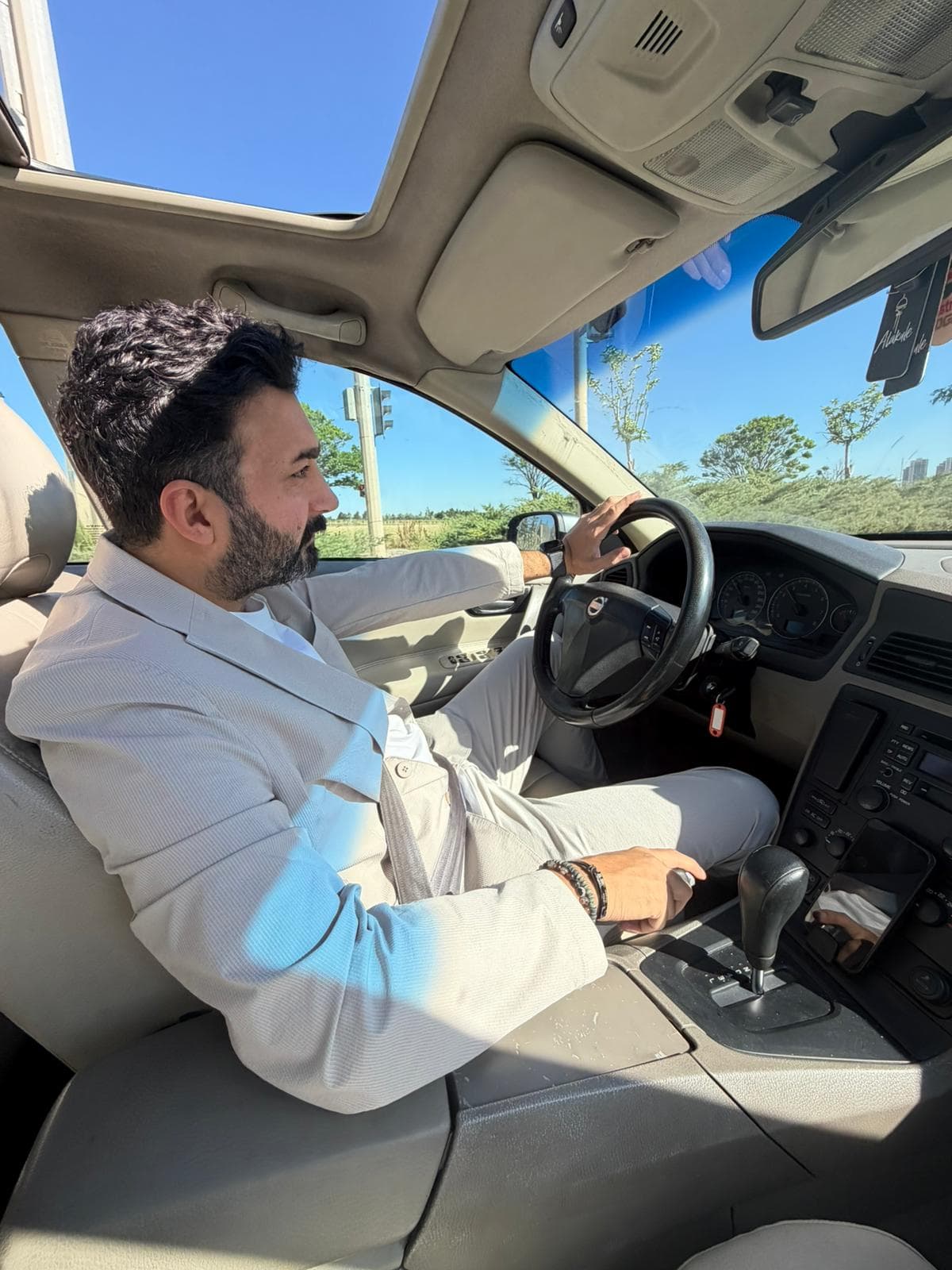
Although I normally drive a fairly new car, this 22-year-old Volvo felt better on the road than I expected. The body looked tired, but the driving feel did not. Road holding, seating position, steering feel and its solid stance made me think:
“This car is better than it looks.”
That became one of the decision points. In an old car, cosmetic gaps can be managed to a degree. Paint can be done, trim can be found, cleaning can happen and small pieces can be completed over time. But if the drivetrain feels finished and the car does not create confidence mechanically, the project starts in the wrong place.
Bay V did not promise perfection on that first drive. But it showed potential.
A Little Bit for My Son, Too
There is also my son’s side of this story.
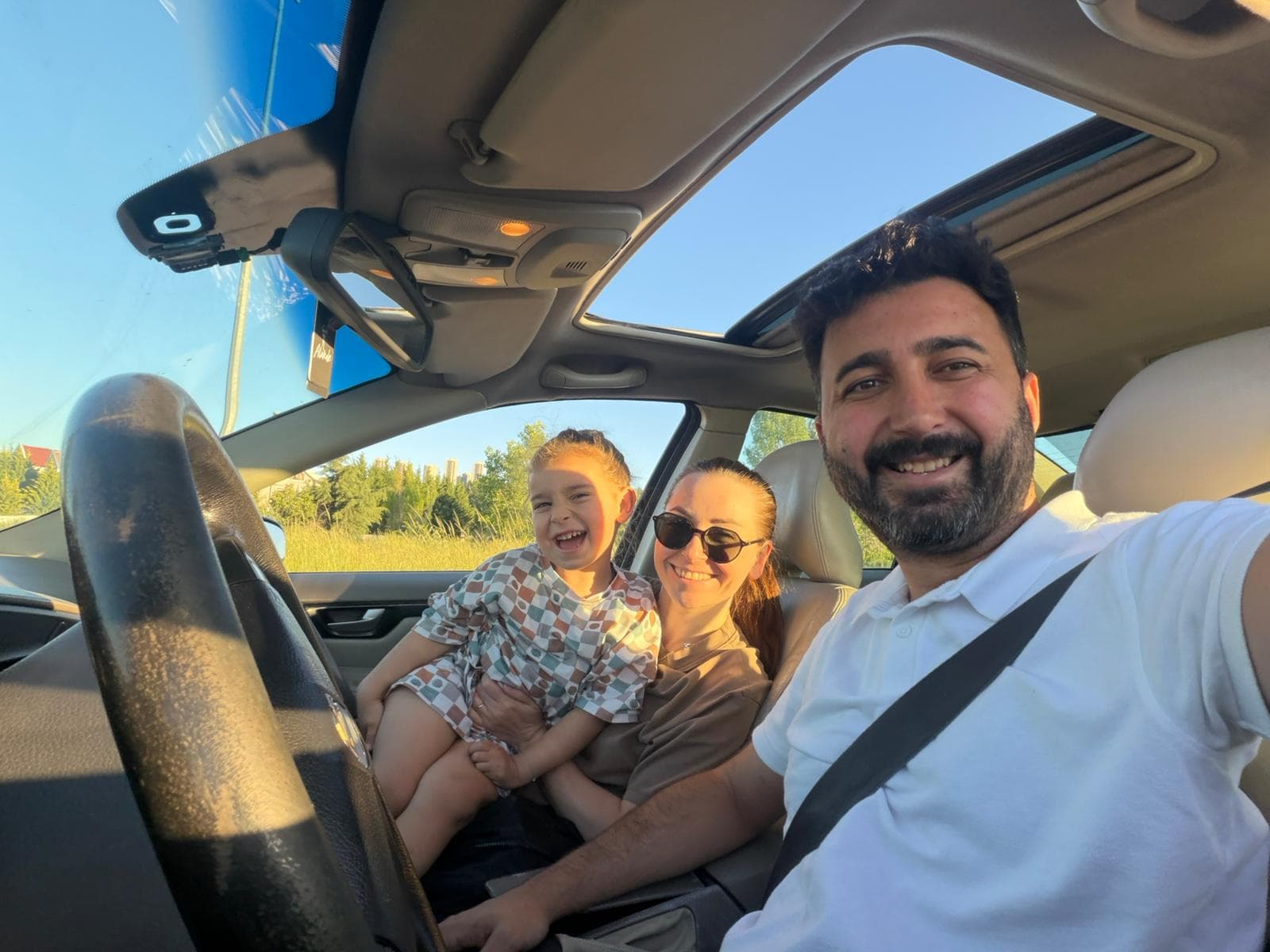
My son has a special interest in open-top cars even among his toys. In the most reachable way, we ended up with a characterful car that had a sunroof. When he first got in, he immediately popped up through the roof and we took a short drive together. We were both happy.
Maybe we could have felt the same joy in a much more expensive car. But this had something else inside it. The project was not only my old-Volvo curiosity; it also became a small father-son story that can be read later, remembered and kept as a trace.
Sometimes restoring a car is not only restoring a car. A memory, a shared curiosity and a small family story accumulate inside it.

A Better Car, or a Better-Priced Risk?
I did not look only at Bay V. I evaluated different alternatives.
Different options came to the table. Some looked cleaner, some promised less uncertainty and some started from a higher entry cost.
At this stage, the issue was not technical superiority; it was which risk could be carried at which cost.
For me, this was less a simple vehicle comparison and more the analysis and scope-definition stage of the project. I had to look beyond which car was better and ask which risk was manageable, which cost was bearable and which scope could be split into phases.
At one point, the decision narrowed to this: a better car, or a better-priced risk?
Starting with a higher budget does not remove risk; often it simply starts the uncertainty from a more expensive level.
A better car and a better project are not always the same thing. Bay V being imperfect did not make the project meaningless as long as the scope could be defined correctly.
The seller profile also mattered. I met someone who had known the car for years, did not try to hide its gaps and made the conversation feel trustworthy. At one point, the negotiation stopped feeling like a formal buyer-seller exchange and became more human. I tried to buy it, he tried to sell it. In the end, he could not quite refuse to let it go, and I could not quite refuse to take it.
Bay V’s advantage was not perfection. Its flaws were visible. But if the scope was separated correctly, those flaws could become manageable through phases.
Pricing the Risks
You cannot remove every risk in an old car. But you can list them, classify them and decide which phase should handle each one.
Bay V’s risks could not be treated as one pile: technical uncertainty, electronic warnings, usage history, cosmetic fatigue and supplier-verification points had to be handled separately.
At first glance, that list was intimidating. But the important distinction was this: which of these was a reason not to buy, which was a negotiation item, which was a first-phase critical risk and which could wait as later cosmetic work?
Instead of keeping all risks in one basket, they had to be separated by priority and impact.
Splitting the Work Into Phases: Trust First, Cosmetics Later
For Bay V, the plan was simple but it required discipline. First, the car had to feel trustworthy. Anything that could affect breakdown risk, create electronic uncertainty, reduce driving confidence or make follow-up difficult belonged in the first phase.
Paint, bodywork, interior trim, detailed cleaning and visual improvements would wait for the second phase.
That sounds easy, but with an old car your hand wants to go everywhere at once. “Since we started, let us also do this” is one of the fastest ways for scope to grow.
Phase 1 - Trust First
- Core trust items
- Warning and follow-up points
- Supplier validation
- Daily-use gaps
- Traceability
Phase 2 - Cosmetics and Character
- Visual scope decision
- Interior and exterior details
- Finishing work
- Visual improvements
- Lessons learned
Sometimes You Need to Solve the Bias Before the Problem
One of the issues that worried me most was the airbag warning light.
Any warning light in an old car is uncomfortable, but an airbag warning creates a different psychology. It is not only about cost; it is about safety.
The first specialist I visited said it could be chronic in these cars, could come from the seatbelt buckle, could come from somewhere else and might require a service-level solution. Frankly, he did not want to get involved.
I understand that. In an old Volvo, the source of an airbag warning may be unclear. For him, it was a time-consuming job with uncertain outcome.
I had different signals. The car looked tired, but not like a heavily crashed car. What I knew from the seller, the general story and the driving feel suggested it might be a contact issue from neglect or age rather than a major problem.
The work became communication before technique: understand the hesitation and move the conversation to “let us at least check it”.
In the end, the feared major problem was not there. The issue was an airbag cable under the seat that had come loose. The cable was reconnected and the warning light went off.
That small event reminded me that in some work, the biggest risk is not the problem itself, but the bias formed before anyone really looks at it.
Phase 1: Trust Before Beauty
After buying Bay V, my first goal was not to make it beautiful.
The first goal was simple: the car should feel trustworthy.
So I postponed visible work such as paint, bodywork, interior trim and deep detailing. I did not want to expand scope before the car proved itself mechanically.
In the first phase, the items affecting trust and traceability were handled; detailed cosmetic work and enjoyment-driven extras were deliberately left for later.
The goal was not to make everything perfect. It was to close the issues that could create breakdown risk, reduce confidence or make the car hard to track.
The most important outcome of this phase was that no warning light remained on the dashboard.
The purpose of the first phase was not to make it beautiful, but to make it trustworthy.
That was a psychological threshold. In an old car, warning lights going off is not only a technical result; it means the car has moved from a pile of uncertain problems toward a system that can be followed.
Post-Phase 1 Test Drives
After Phase 1, Bay V was no longer only a project waiting in a garage or service bay.
We started taking short family drives. For me, this was more than a technical acceptance test; it was the first moment when the car began to enter our life again.
Quality control still continues. Follow-up never fully ends with an old car. But during those first usage tests, Bay V showed us this: when you move in the right order, something that looks tired can start to feel trustworthy again.
Phase 2 Can Wait
Bay V still has cosmetic gaps. We have not touched that area yet.
Paint and bodywork are waiting. Interior trim, detailed cleaning and visual improvements also belong to the second phase.
One of the most important decisions in this project was not doing everything at once.
One of the dangerous things in any project is uncontrolled scope growth. Work that starts with “let us solve this” can quickly become “now that we did this, let us also do that”.
I wanted to protect the sequence with Bay V: first mechanical and electronic trust, then follow-up, then cosmetics if needed.
Paint and interior trim will become valuable only after the car proves itself mechanically.
What This Process Reminded Me
Project management is not only a discipline I use at work; it is a decision-making and execution muscle that can be applied to different areas of life.
When restoring a car, testing a business idea or planning a trip, similar reflexes appear: seeing risk, defining scope, protecting the budget, working with the right people, splitting the work into phases and learning from the process.
The reflexes used most in this process were risk management, budget and cost management, supplier management, scope management and change management.
The plan does not end when you buy the car. As you dismantle, inspect and use it, new information arrives. As information arrives, decisions change.
Should a part be replaced immediately, or is it better to monitor it? Is a work item urgent, or can it wait? Is a supplier proposing general restoration, or solving the active problem? Does a cost really create value, or does it only feed excitement?
These are all small-scale project management questions.
Bay V reminded me that you cannot remove uncertainty completely. But you can break it into parts, price the risks, split the work into phases and make it manageable through the right communication.
The important thing is not doing everything at the same time; it is knowing what to do now and what to do later.
Notes From the Process
Not every visible gap is work that must be done.
The purpose of the first phase is not to make it beautiful, but to make it trustworthy.
You cannot remove uncertainty completely, but you can break it into parts.
In some work, the biggest risk is not the problem itself, but the bias formed before anyone looks at it.
Was It Rational?
I do not want to answer that definitively today.
The project is not complete yet. The first phase closed successfully; at minimum, it created a more traceable and trustworthy base for the next decisions.
But projects like this need time to give the final answer.
If Bay V continues to create confidence in general use over the next months, opening the cosmetic phase will make more sense. Paint, interior trim and detailed cleaning become valuable only after the car proves itself mechanically.
For now, Bay V represents a special project with visible risks, phased scope and a first acceptance test behind it.
This is not car advice.
It is an attempt to produce more feeling, meaning and learning with fewer resources in a world where access keeps getting harder.
Bay V’s story does not end here. After a few months of use and follow-up, I will have a clearer view of how meaningful the project really was.
Once the project matures, I plan to share the learned lessons, scope decisions and the cost-side approach in a more structured way.
In similar special project experiences, the matter is often not only the object itself; it is how the decision is made, how the risk is carried and how the process is managed. Sometimes the best project lessons come not from a meeting room, but from the garage, the road and ordinary life.