Professional Project / Public Sector
PTT Procurement and Stock Management System (SSYS)
Procurement and stock transformation across 1,300+ locations, 82 regional directorates, and 6,000+ users
PTT's Procurement and Stock Management System (SSYS) was a large-scale public-sector project that brought the flow from demand creation through stock fulfilment or procurement, budget control, tender and direct procurement, ordering, inspection and acceptance, guarantees, warehouse movements, and payment into a shared management system.
Delivered during 2015–2016, the system covered approximately 1,300 PTT locations, 82 regional directorates and the General Directorate, operating as a web-based structure used by more than 6,000 users.
1,300+
PTT locations
82
regional directorates
6,000+
users
Nationwide
deployment
End-to-end process scope
The main value of SSYS did not come from isolated screens. It came from running connected procurement and inventory processes on the same data and control structure.
Demand and needs management
Unit requests, approval flows, needs evaluation, central demand coordination, and preparation for consolidated purchasing.
Inventory and warehouse management
Receipts and issues, warehouse authorizations, inventory reporting, consumption analysis, historical stock visibility, and excess-stock management.
Budget and appropriation controls
Appropriation allocation, authorization requests, expenditure tracking, and budget controls linked to procurement activities.
Direct procurement and ordering
Need lists, estimated cost, market-price research, approvals, contracts, price evaluation, and ordering flows.
Tender management
A structure covering tender preparation, documentation, supplier information, guarantees, price analysis, evaluation, and reporting.
Inspection, acceptance, and payment
Post-procurement inspection and acceptance, stock receipts, delivery/invoice links, and payment-order processes.
Guarantees and decision support
Guarantee-expiry tracking, automated alerts, and analyses across procurement, inventory, consumption, pricing, and suppliers.
Process flow at a glance
- 1Demand
- 2Evaluation
- 3Budget / Appropriation
- 4Procurement
- 5Inspection & Acceptance
- 6Inventory / Warehouse
- 7Accounting / Payment
Nationwide Rollout and User Engagement
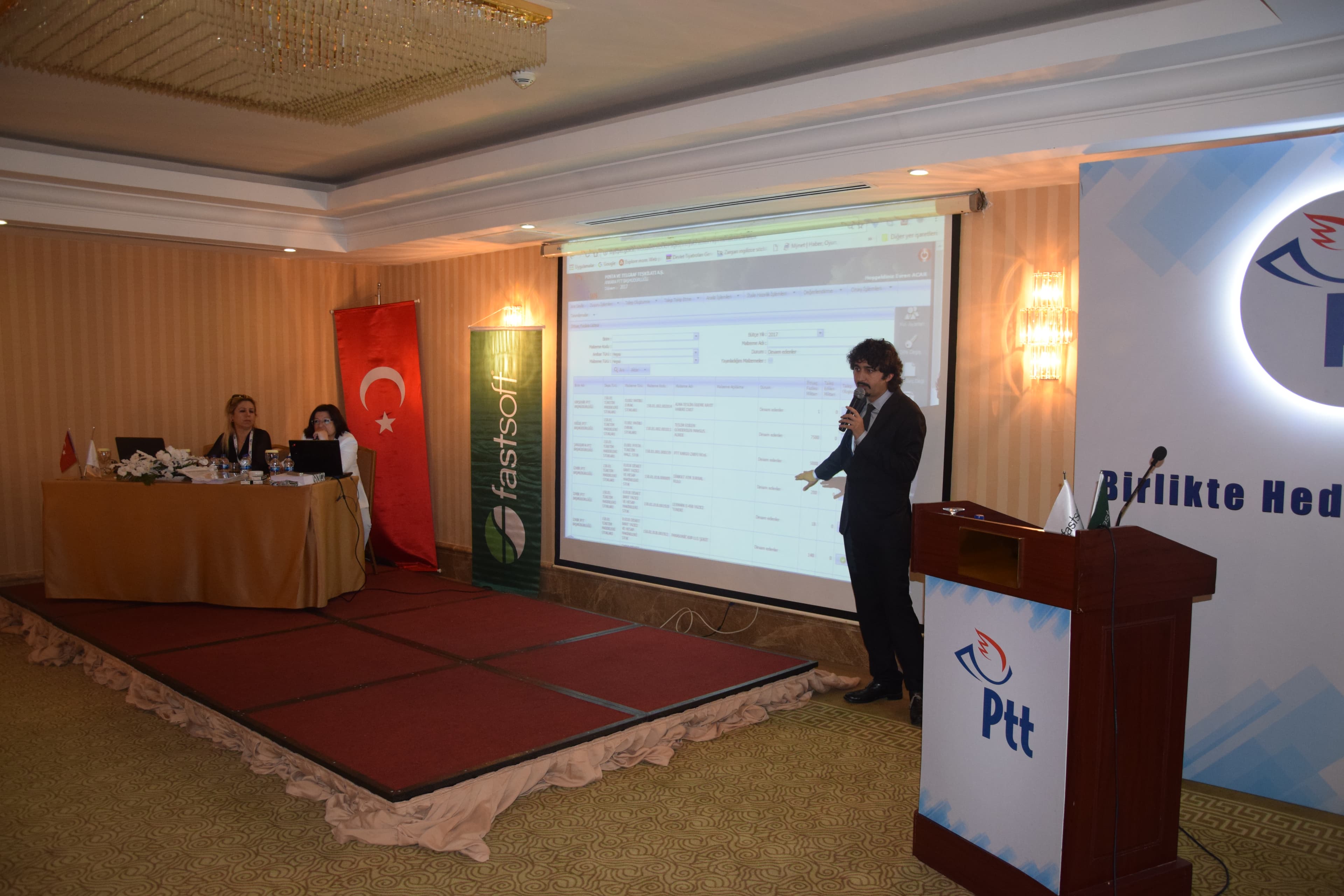
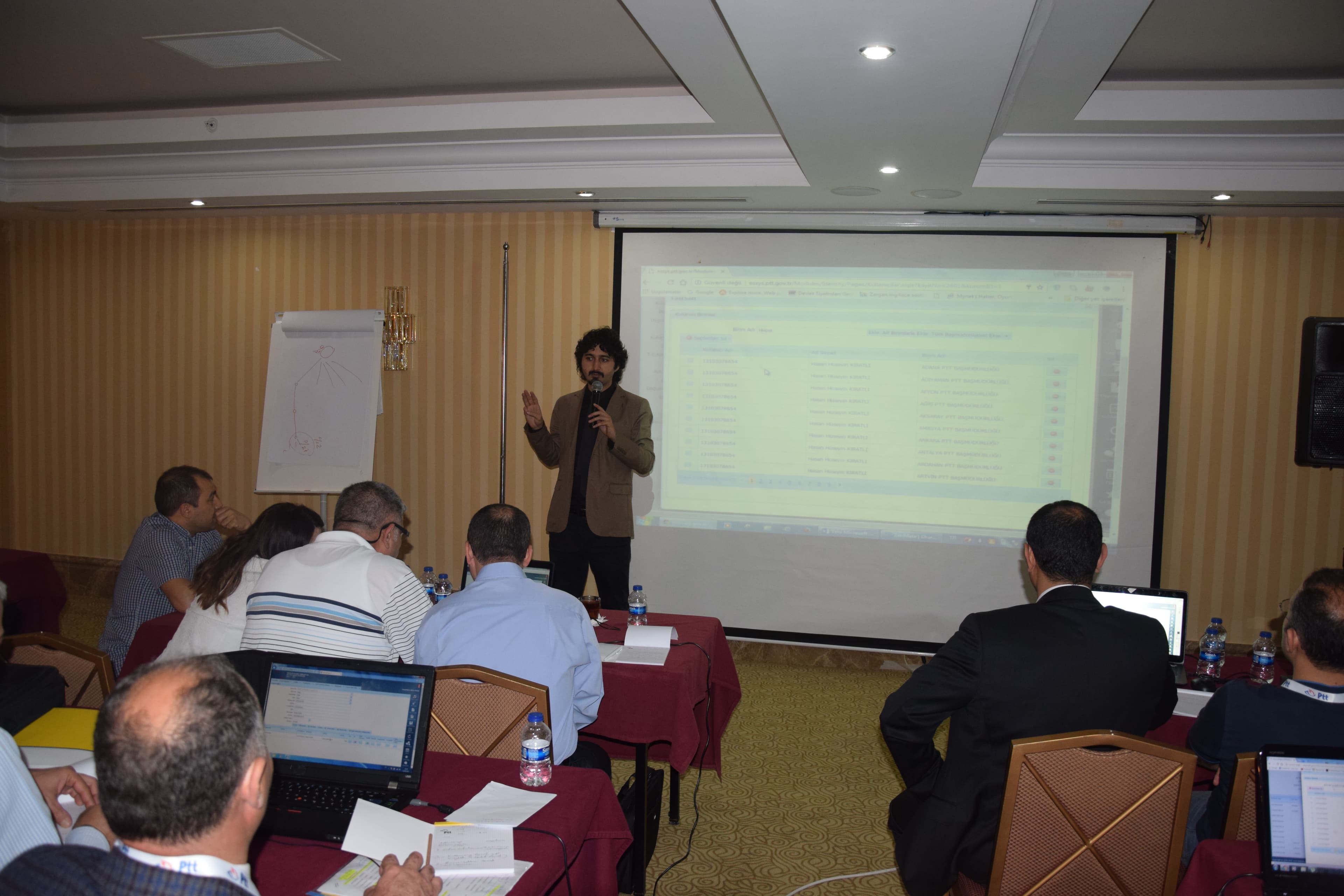
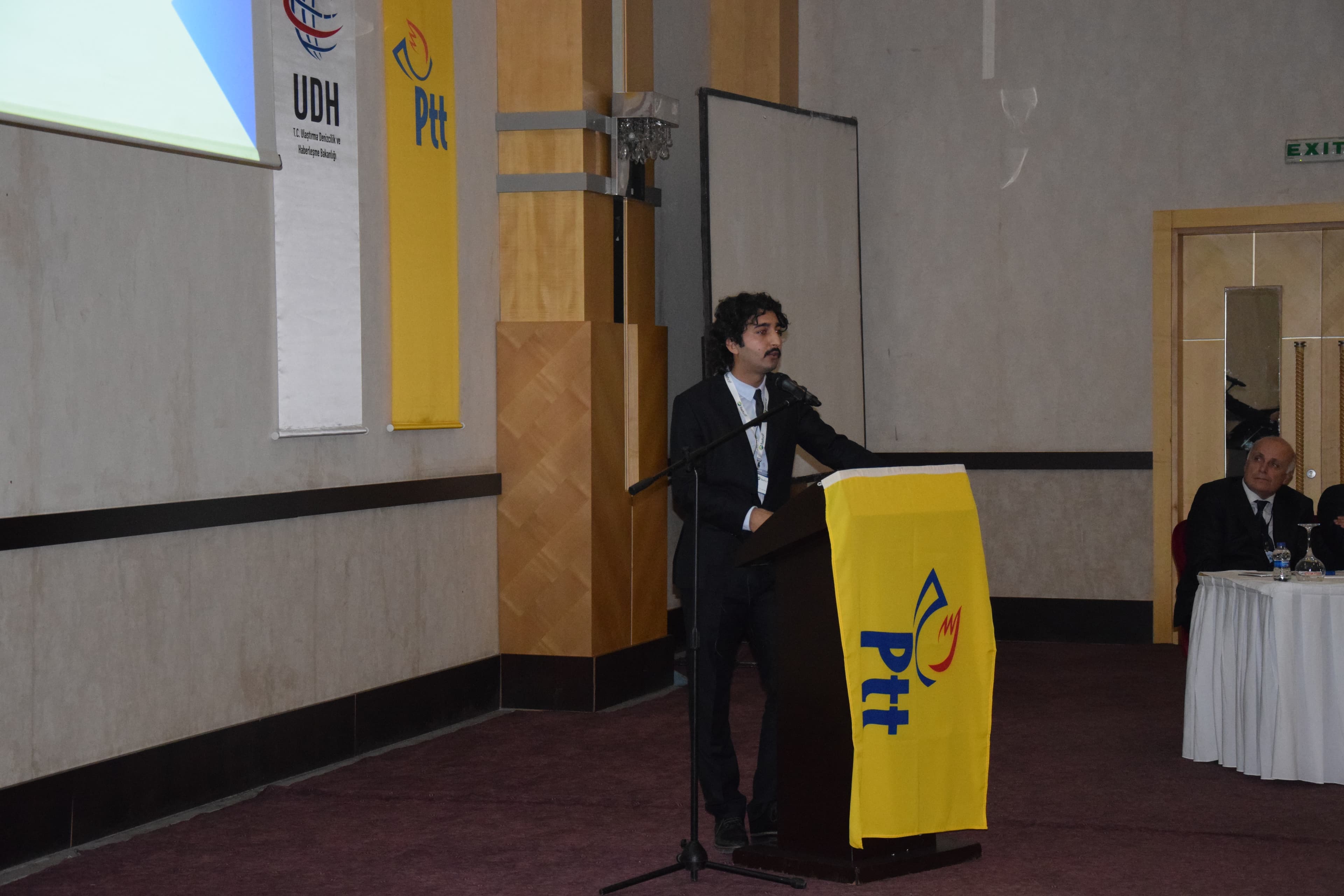
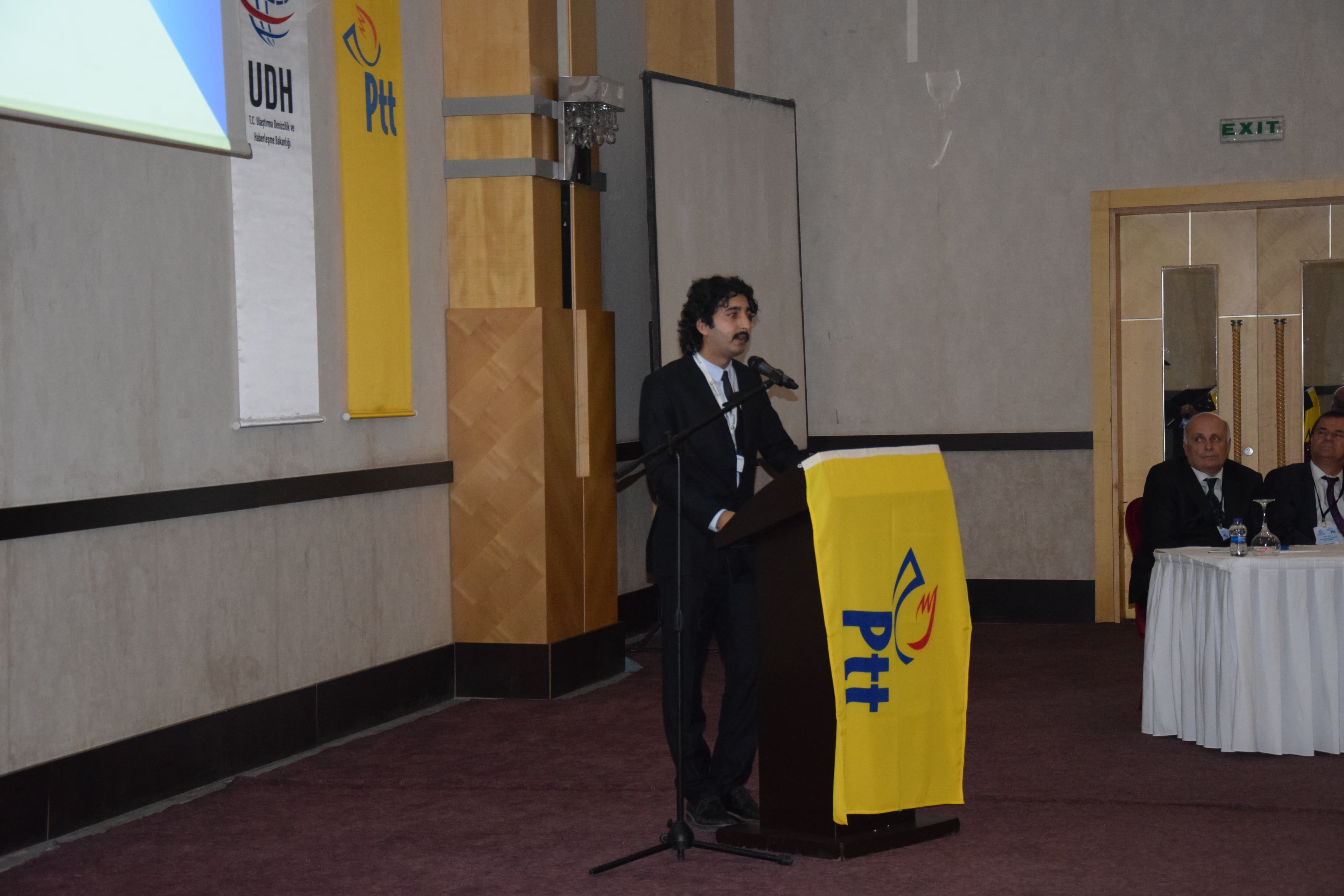
These archive photographs from 2015–2016 document the training, introduction, and user-engagement side of the project.
Turning public-sector rules into operating flows
The project included purpose-built functionality designed around legislation numbered 4734 and 4735 together with PTT's own procurement principles and procedures.
The important point was not simply that users knew the rules. Where appropriate, controls, authority limits, document generation, and decision steps were embedded into the system flow. This made the project an important field experience in the digitalization of public-sector processes as well.
Nationwide user and change experience
One of the most lasting parts of the project for me was getting to know user environments across almost every part of Turkey and seeing how a centrally designed process met the reality of day-to-day work in the field.
Seminars, training sessions, and direct user contact showed that a technical solution alone is not enough in a large public-sector deployment. Communication, process clarity, user confidence, and field feedback all had to be managed for the same system to be adopted across different organizational units.
This became one of the early field experiences that directly shaped how I later approached multi-site organizations, stakeholder management, rollout, and live-use adoption in ERP and transformation projects.
Experience I carried forward
- Bringing public-sector regulation and operational process design together
- Managing rollout across multi-site structures with thousands of users
- Reading procurement, inventory, budget, acceptance, and payment as one connected chain
- Managing the gap between central design and local operating reality
- Treating training, adoption, and change management as part of technical delivery
- Turning operational data into decision support and management visibility